Sistema Soft Platform for
Human Resource Management
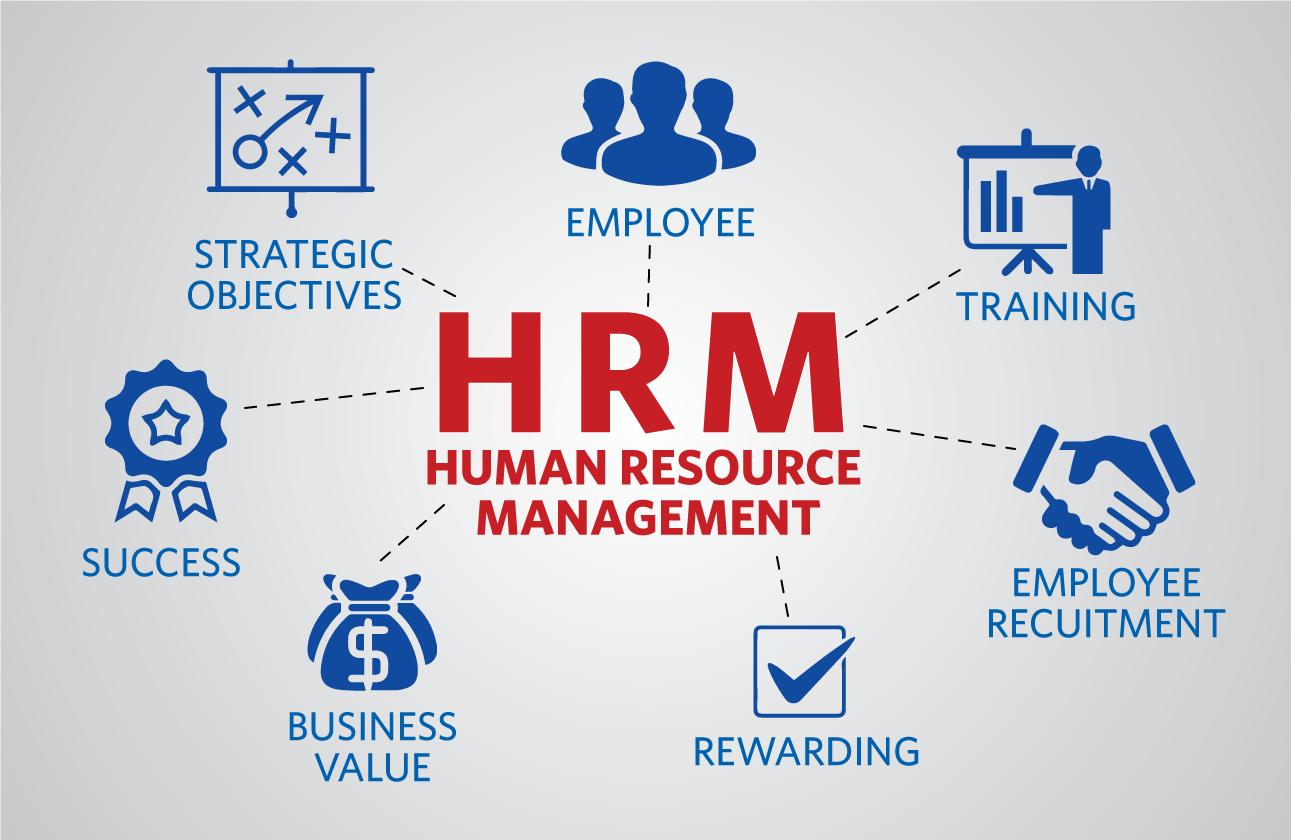
Effective HRM creates a productive and positive work environment that contributes to the overall success of the organization.

Employee Information Management is a crucial component of Human Resource Management Systems (HRMS). It involves the systematic collection, storage, and management of employee-related data to ensure seamless HR operations. Proper management of employee information improves organizational efficiency, helps in compliance, and provides valuable insights for decision-making.A Human Resource Management System (HRMS) is a software platform designed to manage various HR functions and processes within an organization. It integrates multiple HR activities, allowing for automation, data management, and improved decision-making.
Features of Sistema Soft Human Resource Management
Centralized Employee Database
A single, unified platform to store and manage all employee data, ensuring easy access for HR personnel.
Information includes personal details, job history, qualifications, employment contracts, benefits, and more.
Types of Employee Information
Personal Information, Job-Related Information, Compensation Details.
Performance Records, Training and Development, Leave and Attendance, Compliance and Documentation.
Document Management
Allows storage and access to essential documents like resumes, contracts, performance reviews, and certificates.
Supports file formats like PDFs, spreadsheets, and scanned documents.
Data Security and Access Control
Implementing secure protocols to ensure the confidentiality of employee data.
Access controls restrict data visibility based on user roles (e.g., only HR managers can view salary data).
Data encryption and user authentication measures ensure compliance with privacy laws like GDPR.
Self-Service Portal
Enables employees to access and update their own information (e.g., contact details, bank account information).
Reduces the HR workload by allowing employees to manage their personal data and view payslips, tax documents, and leave balances.
Automated Updates and Notifications
Automated reminders for document renewals (e.g., work permits, contracts) or certifications.
Notifies employees and managers about significant updates like leave approval, changes in benefits, or shifts in job roles.
Data Analytics and Reporting
HR managers can analyze employee data to identify trends, track performance, monitor employee turnover, and forecast future workforce needs.
Generates reports on demographics, salary distribution, employee engagement, and other HR metrics.
Integration with Other Systems
Seamlessly integrates with other HR modules like payroll, performance management, and time tracking for a unified view of employee data.
Data flow between systems ensures that information (such as promotions or compensation changes) is updated in real-time.