
Sistema Soft Platform for
Office inventory management
The key function of office inventory management is to keep track of the office supplies, equipment, and other resources required for daily operations. It helps to ensure that all necessary items are available, reduce overstocking or understocking, and support efficient budget management.

Office Inventory Management refers to the systematic process of overseeing, controlling, and maintaining all supplies, equipment, and resources necessary for an office’s daily operations. The goal is to ensure that the office runs smoothly by having the right supplies and equipment in place while minimizing waste and unnecessary costs.Office Inventory Management involves tracking, organizing, and maintaining office supplies and equipment. It ensures that essential items like stationery, computers, and other resources are available when needed, while minimizing waste and controlling costs. Key tasks include monitoring inventory levels, forecasting future needs, reordering supplies, managing supplier relationships, and conducting regular audits. Effective management boosts productivity, reduces downtime, and ensures budget efficiency. Tools like inventory software and barcoding systems help streamline the process for better control and transparency.
Features of Sistema Soft Office Inventory Management
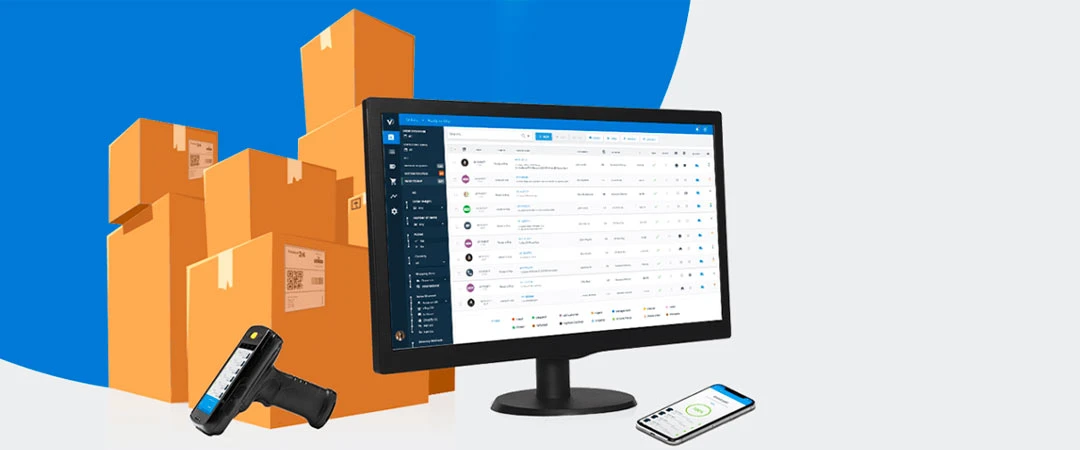
Inventory Tracking
Regular monitoring of office supplies such as stationery, IT equipment, and consumables
Use of manual logs or software to keep an up-to-date record of stock levels and locations.
Stock Control
Determining the optimal level of inventory to avoid overstocking or understocking.
Setting reorder points to automatically trigger replenishment when supplies reach a certain threshold.
Reordering and Supplier Management
Establishing relationships with reliable suppliers to ensure the timely and cost-effective delivery of supplies.
Automating the reordering process with pre-set minimum inventory levels.
Auditing and Accountability
Regular physical checks to verify that recorded inventory matches the actual stock.
Assigning responsibilities to individuals or teams for managing and maintaining inventory accuracy.
Budgeting and Cost Management
Keeping track of inventory expenses to manage the office budget efficiently.
Identifying cost-saving opportunities, such as buying in bulk or selecting more economical suppliers.
Usage Monitoring
Analyzing the consumption patterns of various supplies to avoid wastage and identify inefficiencies.
Setting usage limits for certain items to reduce unnecessary costs.